
Pelvic Girdle Pain: What’s Really Going On and How to Fix It
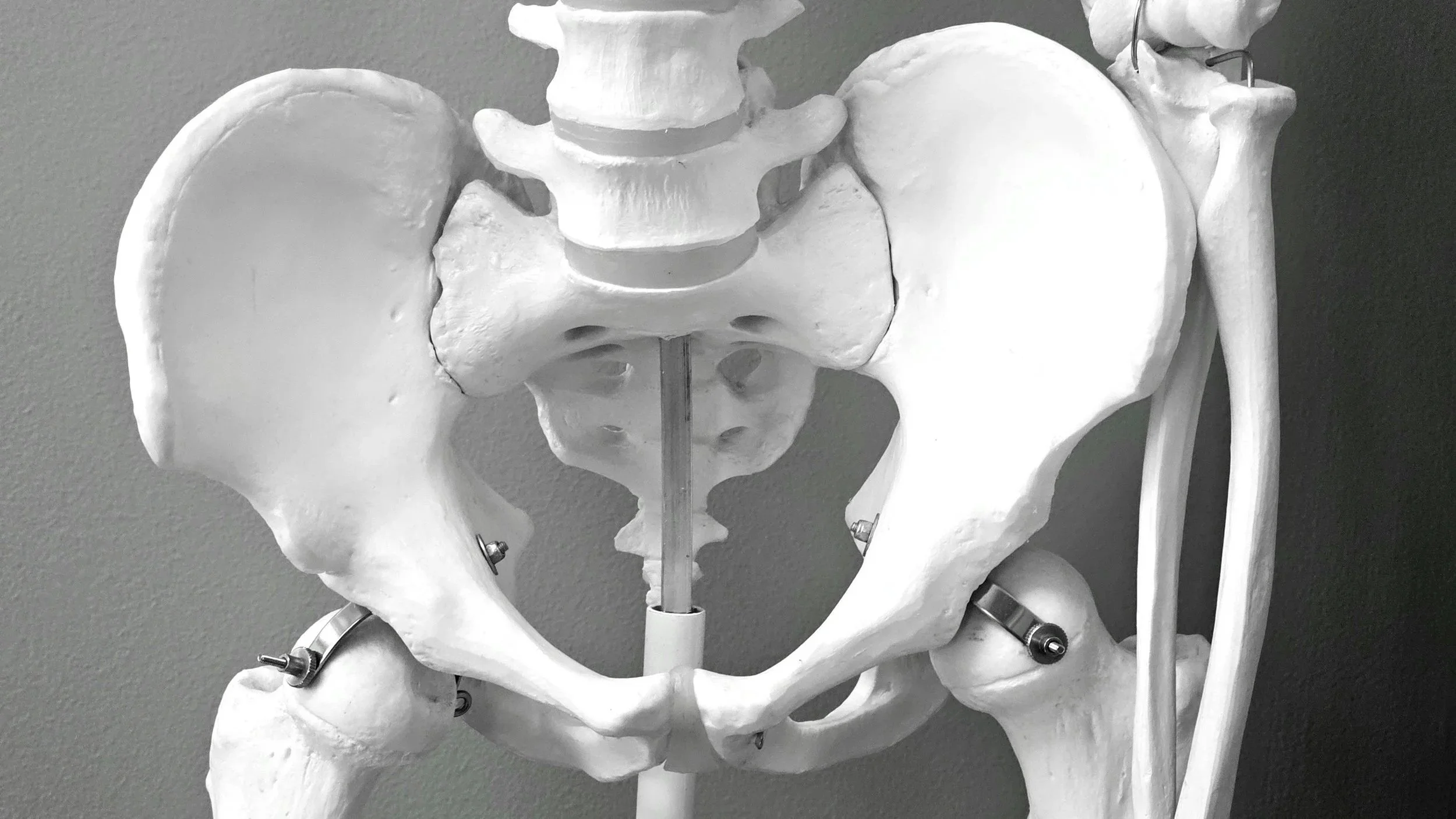
Pelvic Girdle Pain (PGP) is a common condition that can affect people during pregnancy, postpartum, or after an injury. While it can feel worrying or limiting, the good news is that support and treatment are available.
What is Pelvic Girdle Pain?
Pelvic Girdle Pain refers to pain around the front or back of the pelvis. It is often felt in the hips, buttocks, groin, or lower back.
Some people also experience a clicking or grinding sensation in the pelvis, along with a feeling of instability. These symptoms can make everyday movements uncomfortable and, at times, quite challenging.
Why does it happen?
The pelvis is made up of a ring of joints and ligaments that work together to provide stability and support. For comfortable movement, both sides of the pelvis need to move in a coordinated way.
Pelvic Girdle Pain can develop when this system is disrupted. This may happen if one side of the pelvis moves differently from the other, if the supporting muscles are weak or tight, or if the joints and ligaments are placed under increased load.
Contributing factors
There are several factors that can increase the likelihood of developing PGP.
Changes in posture and load, particularly during pregnancy, can place additional stress on the pelvis. Muscle weakness in the core, glutes, or pelvic floor can also reduce stability.
A history of injury or trauma may play a role, and hormonal changes such as relaxin can affect joint laxity, making the pelvis less stable.
Signs and symptoms
Pelvic Girdle Pain can present in different ways, but some common signs include:
Pain when rolling in bed or getting in and out of the car
Pain when climbing stairs or standing on one leg
Pain in the pubic area, hips, or buttocks
A feeling of instability in the pelvis
How physiotherapy can help
Physiotherapy plays an important role in managing Pelvic Girdle Pain and supporting recovery.
Treatment begins with a thorough assessment of how your pelvis moves and functions. From there, your physiotherapist will guide you through safer ways to sit, stand, and move throughout the day.
Targeted exercises are prescribed to help stabilise the core and hips, improving support around the pelvis. Hands on treatment may also be used to reduce discomfort and provide relief.
Helpful tips for managing PGP
There are some simple strategies you can use day to day to reduce symptoms and support your body:
Support belts can be helpful for temporary relief
Take smaller steps and avoid standing on one leg
Use a pillow between your knees when sleeping
Rest regularly, while still keeping gently active
During pregnancy, try sleeping with a pillow between your knees and one under your baby bump
Support is available
Pelvic Girdle Pain is common, but it is not something you have to live with.
With the right support, it is possible to move more comfortably and feel more confident in your body again. If you are experiencing symptoms, our physiotherapy team at Balance North is here to help guide you through your recovery. Feel free to book an appointment with our friendly team of physio’s today.
This information reflects current evidence and clinical experience in physiotherapy.
Author: Balance North Preston Physiotherapy team