
Building Stronger Bones: Understanding Bone Mineral Density
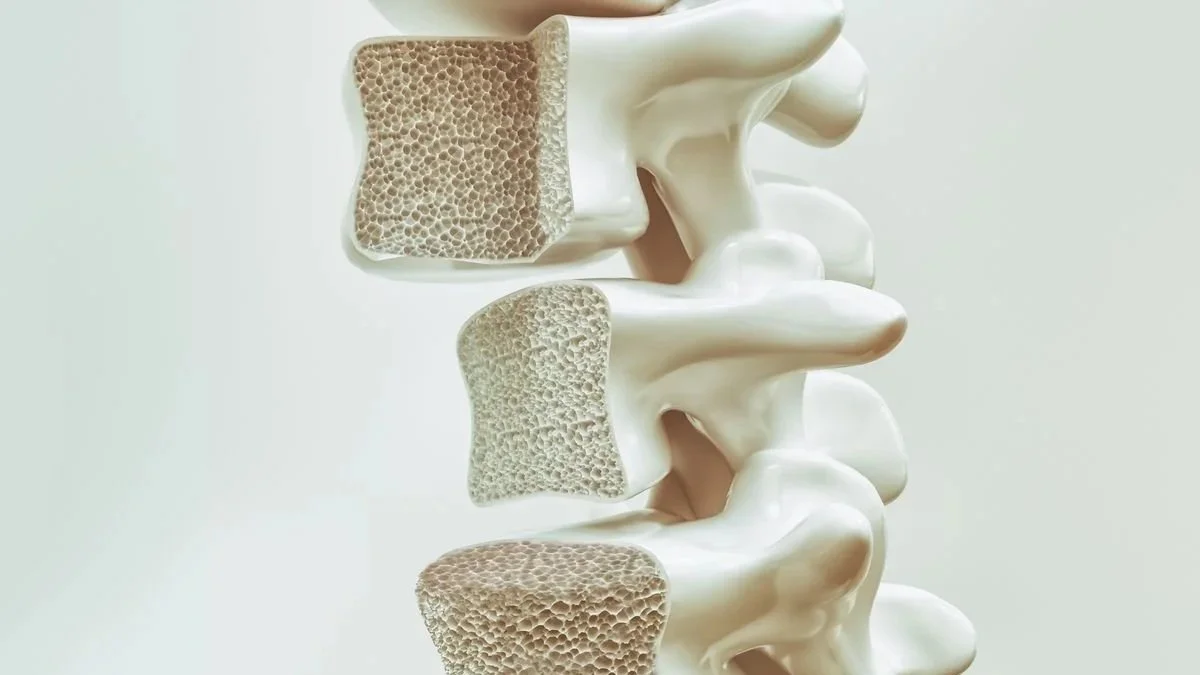
Photo by CreVis2 on Getty Images
At Balance North Preston, we believe that strong, healthy bones are the foundation of movement and quality of life. Whether you’re recovering from an injury, managing osteoporosis, or simply aiming to stay active and independent, understanding how bone health works is the first step toward protecting it.
What is bone mineral density?
Bone mineral density (BMD) is a measure of how much mineral (mainly calcium and phosphorus) is stored in your bones. It’s a key indicator of bone strength and overall skeletal health.
BMD is commonly assessed with a DEXA scan, which helps identify whether your bone health is normal, slightly reduced (osteopenia), or significantly reduced (osteoporosis). Lower BMD means your bones are less dense and more vulnerable to fractures, even from minor falls or bumps.
How bones stay strong: the bone remodelling process
Your bones are constantly changing through a natural process called bone remodelling. This is how your body replaces old or damaged bone with new tissue to keep your skeleton strong and resilient.
Osteoclasts are cells that break down old bone tissue.
Osteoblasts are cells that build new bone and deposit minerals like calcium.
In a healthy system these processes stay in balance. As we age, or when hormones, nutrition, or activity levels change, bone breakdown can start to exceed bone formation. Over time this can lead to a gradual loss of bone density and strength.
What affects bone mineral density?
Several factors can impact how effectively your body builds and maintains bone tissue:
Hormonal changes: Especially around menopause, reduced estrogen levels can accelerate bone loss.
Nutrition: Low calcium, vitamin D, or protein intake can limit bone formation.
Physical activity: Weight-bearing and resistance exercises stimulate bone growth.
Medications: Long-term use of steroids and certain anticonvulsants can weaken bones.
Lifestyle: Smoking, excessive alcohol, and high caffeine intake can reduce calcium absorption.
Health conditions: Thyroid disorders, rheumatoid arthritis, and chronic kidney disease can all affect bone turnover.
Understanding Osteoporosis
Osteoporosis is a common condition where bones become thin, fragile, and more likely to fracture. It often develops gradually and may not cause symptoms until a break occurs, commonly in the spine, hip, or wrist.
At a cellular level, osteoporosis happens when bone breakdown (resorption) outpaces bone formation. Over time this leads to a loss of bone mass and changes in bone structure, making the skeleton weaker and more prone to injury.
While it is more common with age, osteoporosis can also affect younger people with nutritional deficiencies, hormonal imbalances, or limited physical activity.
Who should have a bone density test?
Women age 65 years and older
Men age 70 years and older
Anyone who has a broken bone after age 50 years
Women age 50 to 64 years with risk factors
Men age 50 to 69 years with risk factors
How to improve or maintain bone mineral density
The good news is that bone health can be maintained or improved at any stage of life.
Nutrition
Calcium: Aim for 1000 to 1200 mg per day from dairy, leafy greens, or fortified foods.
Vitamin D: Supports calcium absorption. Sunlight and supplements (as advised by your GP) help maintain healthy levels.
Protein and other nutrients: Adequate protein, magnesium, and vitamin K support bone structure.
Exercise
Regular movement is one of the most effective ways to stimulate bone growth and prevent loss.
Weight-bearing impact loading
Includes vertical and multi-directional jumping, bounding, hopping, skipping rope, drop jumps, and step ups. The level of impact depends on current BMD and other risk factors. These activities are recommended 4 to 7 times a week, with 50 jumps per session.
Resistance training
Should target the major muscle groups attached to the hip and spine. Examples include weighted lunges, hip adduction and abduction, knee extension and flexion, back extension, abdominal exercises, and compound movements such as squats and deadlifts. The recommendation is at least 2 days a week, with 8 exercises and 2 to 3 sets of 8 repetitions at 80 to 85 percent of 1RM.
Balance and posture exercises
Reduce the risk of falls and fractures. These include standing and moving exercises that challenge the base of support or include perturbation such as reaching. Tai chi may also be helpful. For individuals with balance difficulties, these exercises should be completed 4 times a week for 30 minutes in a safe environment.
Note:
Those with severe osteoporosis or previous osteoporotic vertebral fractures generally avoid dynamic, explosive and high impact loads, excessive spinal flexion, dynamic abdominal exercises, and twisting of the spine.
Balance exercises should be challenging but safe.
At Balance North, we design individualised exercise programs to safely improve bone strength, posture, and stability. We can guide your exercise and teach correct technique to reduce injury risk.
Medical and Physiotherapy Support
If you have osteopenia or osteoporosis, treatment may include:
Medications to slow bone loss or promote new bone formation
Targeted physiotherapy to build strength and prevent falls
Regular BMD scans to monitor progress
The takeaway
Bone mineral density is a key marker of skeletal health, but it is not fixed. With the right combination of exercise, nutrition, and lifestyle changes, it is possible to protect and even strengthen your bones at any age.
At Balance North in Preston, our physiotherapists can support you with tailored exercise plans, education, and strategies to help you stay strong, mobile, and confident in your movement.
If you would like to learn more about improving your bone health or managing osteoporosis, book an appointment with our team today. Our friendly team would love to help you move with balance, strength, and confidence.
References:
Healthy Bones Australia. (2022). Retrieved from https://healthybonesaustralia.org.au/wp-content/uploads/2022/10/hba-exercise-brochure.pdf
RACGP. (2025). Exercise for preventing bone loss and reducing fracture risk. Retrieved from https://www.racgp.org.au/clinical-resources/clinical-guidelines/handi/handi-interventions/exercise/exercise-for-preventing-bone-loss-and-reducing-fra
Bone Health and Osteoporosis Foundation (BHOF). (2025). Retrieved from https://www.bonehealthandosteoporosis.org/patients/diagnosis-information/bone-density-examtesting/
International Osteoporosis Foundation (IOF). (2025). Retrieved from https://www.osteoporosis.foundation/health-professionals/about-osteoporosis/pathophysiology
Alsaad L. N, Abdulameer J. A, Akolaa E. A, Muttappallymyalil J, Sreedharan J. Bone Mineral Density and Its Determinants: A Systematic Review of Risk Factors and Prevention Strategies. Biomed Pharmacol J 2023;16(3). Available from: https://bit.ly/4433RjV
Author: Annie Cumming, Balance North Preston Physiotherapist